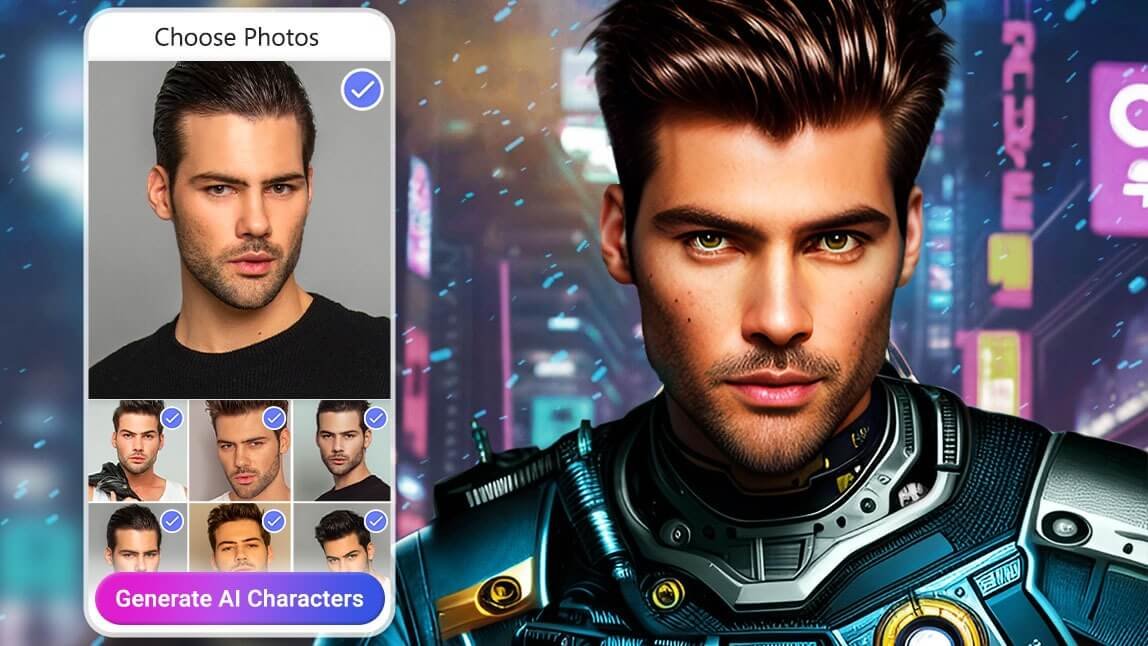
The digital canvas is buzzing, and it's not just artists with brushes anymore. Thanks to rapid advancements in deep learning and diffusion models like DALL·E, Midjourney, and Stable Diffusion, AI is now your most versatile creative assistant. If you're looking to bring imaginative visuals or vivid personalities to life, navigating the myriad options can feel like exploring a new galaxy. This comprehensive guide provides AI Aesthetic Image & Character Generator Reviews to help you choose the perfect co-pilot for your creative journey.
From crafting stunning marketing visuals to designing intricate game characters, AI tools are transforming how we visualize and innovate. They're not just for tech gurus; everyone from social media managers to indie game developers can harness this power, provided they pick the right tool for the job.
At a Glance: Your AI Creative Toolkit Essentials
- Define Your Goal First: Are you generating photorealistic landscapes, stylized concept art, cartoon characters, or consistent game assets? Your purpose dictates the best tool.
- Quality & Consistency Matter: Look for high-resolution outputs, diverse artistic styles, and, especially for characters, the ability to maintain a consistent look across multiple images.
- Ease of Use is Key: Intuitive interfaces, accurate prompt interpretation, and helpful editing tools save you time and frustration.
- Don't Forget Licensing: Commercial rights are crucial if you plan to use your creations for business. Always check the terms.
- Beyond the Basics: Consider integration with existing design software, community support, and unique features like generative fill or style transfer.
- Try Before You Buy: Many platforms offer free trials or credit systems; leverage these to test performance before committing.
Why AI Generators Are Your Next Creative Superpower
The landscape of digital creativity has undergone a seismic shift. What once required hours of meticulous design work or advanced illustration skills can now be conjured in minutes, often with just a few well-chosen words. AI image and character generators aren't merely automating tasks; they're expanding the very definition of what's possible, empowering creators to experiment, iterate, and innovate at unprecedented speeds.
We're talking about tools that go beyond simple filters, capable of generating entirely new visuals from scratch. This evolution has made AI a mainstream force, adopted across social media, marketing, education, and business branding. While it opens up incredible possibilities, it also introduces complexities around copyright, deepfakes, and ethical use – considerations we'll touch on later. But for now, let's focus on harnessing its creative might.
Decoding What Makes a Great AI Generator
Choosing the right AI generator isn't a one-size-fits-all decision. It's about matching a tool's capabilities to your specific needs. Here's what to weigh:
- Image Quality & Aesthetic Range: Do you need photorealistic perfection, highly stylized artwork, or something in between? Look for generators with diverse model options and high-resolution outputs. Some excel in specific artistic styles, offering curated looks that align with your vision.
- Speed & Versatility: How quickly can it generate images? Can it handle various applications, from simple icons to complex scenes? Efficient generation is crucial for rapid prototyping and meeting tight deadlines.
- Ease of Use & Prompt Interpretation: An intuitive interface is paramount. Can the AI understand nuanced prompts, or does it require very specific phrasing? Robust editing capabilities and user-friendly refinement tools can make a huge difference.
- Pricing & Licensing: Many tools offer free tiers with limited features or daily credits. Subscription models often unlock advanced functionalities, while pay-as-you-go systems can be cost-effective for occasional use. Crucially, scrutinize the commercial rights and licensing terms if you intend to use the generated content for professional or business purposes.
- Integration & Accessibility: Does it seamlessly integrate with your existing design suite (like Adobe Creative Cloud)? Is it available on web, mobile, or via API? The easier it fits into your workflow, the more valuable it becomes.
- Community & Support: An active user community offers inspiration, shared prompts, and troubleshooting tips. Responsive customer support can be a lifesaver when you encounter issues.
Beyond Pixels: Specialized Needs for Character Generators
While general image generators can create characters, dedicated AI character generators offer a level of control and consistency that's invaluable for storytellers, game developers, and marketers building brand mascots. When your project demands a specific persona, these features become non-negotiable:
- Consistent Character Generation: This is perhaps the most critical feature for character work. Can the tool maintain a character's appearance (face, outfit, unique traits) across multiple poses, expressions, and scenes? Look for features like reference image support, character ID parameters, and style retention.
- Granular Customization: The ability to fine-tune facial features, hairstyles, outfits, accessories, and poses is key. Advanced generators let you specify age, gender, ethnicity, mood, and even specific items the character holds.
- Output Quality & File Types: High-resolution outputs (HD, 4K) are essential for professional use. Also, consider if the tool supports various file types (PNG, GIF, even 3D models for game development).
- Prompt Flexibility & Refinement: How well does the AI interpret complex character descriptions? Are there intuitive sliders, preset styles, or in-built prompt optimizers to help you get exactly what you envision?
- Integration with Game Engines/Design Suites: For game developers, seamless integration with platforms like Unity or Unreal Engine is a significant advantage, allowing for quicker asset creation and iteration.
- Image-to-Character Capabilities: The option to upload a reference photo (of a person or a drawing) and have the AI generate a character in a specific style, or adapt its features, is incredibly powerful.
The Contenders: Top AI Aesthetic Image & Character Generators Reviewed
Now, let's dive into the tools that are setting the standard in 2025-2026, combining insights from both general image creation and specialized character generation.
For the Professional & Power User: Precision & Integration
These tools are built for those who demand high quality, extensive control, and seamless integration into professional workflows.
1. Adobe Firefly: The Creative Cloud Ecosystem Play
- Best For: Professionals deeply embedded in Adobe Creative Cloud, marketing agencies, graphic designers.
- Strengths: Unparalleled integration with Photoshop and Illustrator. Offers advanced text-to-image, generative fill, and vector effects. Focus on commercial reliability and enterprise support.
- Considerations: Requires an Adobe subscription, learning curve for new features within the ecosystem.
- Why it stands out: Firefly isn't just a standalone generator; it's an extension of the tools you already use. Its ability to perform generative fill directly within Photoshop or create vector graphics for Illustrator makes it a workflow game-changer for Adobe users.
2. DALL·E 3: The Prompt Whisperer
- Best For: Marketers, educators, tech enthusiasts needing high-quality, photorealistic visuals and nuanced prompt interpretation.
- Strengths: Sets the benchmark for understanding complex text prompts, leading to highly accurate and photorealistic results. Available via Microsoft Copilot and OpenAI API, offering advanced text-to-image, inpainting, and style transfer.
- Considerations: Access often tied to other services; may require API knowledge for advanced use.
- Why it stands out: If you struggle with getting AI to "understand" your vision, DALL·E 3 is remarkably good at it. Its ability to translate intricate descriptions into precise visuals is a significant advantage for detailed projects.
3. Midjourney: The Artistic Visionary (Excellent for both Images & Characters)
- Best For: Artists, concept designers, agencies focusing on imaginative, stylized art, album covers, and mood boards. Also highly capable for diverse, high-quality character generation with intricate details.
- Strengths: Known for visually striking, imaginative, and highly stylized outputs. Operates via Discord, fostering an active community. Advanced algorithms and extensive training data for quick, diverse results. Offers auxiliary commands for upscaling, blending, variations, and prompt extraction.
- Considerations: Discord-based interface can be a barrier for some; subscription required (no free plan/trial).
- Why it stands out: Midjourney is where art meets AI. Its distinctive aesthetic quality makes it a favorite for generating unique concept art and fantastical characters. The community aspect is also a huge draw, allowing users to learn from and inspire each other.
For the Everyday Creator & Business Owner: Accessibility & Speed
These tools prioritize ease of use, quick results, and integration into broader design workflows, perfect for those without a fine art background.
4. Canva AI Image Generator: Design for Everyone (Strong for both Images & Simple Characters)
- Best For: Non-designers, small businesses, content creators, students, and presenters who leverage templates and need quick, accessible visuals.
- Strengths: Integrated within Canva's popular design suite, offering text-to-image creation with drag-and-drop simplicity. Vast template library, collaborative features, and seamless publishing for social media, presentations, and marketing assets. Its Magic Media tool generates AI characters from text prompts.
- Considerations: Character results may require further refinement using Canva Pro tools; less advanced character customization than specialized tools.
- Why it stands out: If you're already in the Canva ecosystem, its AI image and character generator is a natural fit. It democratizes AI art, making it incredibly easy to add unique visuals to any project without leaving your design platform.
5. DaVinci AI: The All-in-One Creative Hub
- Best For: Content creators, marketers, educators, and businesses needing a versatile tool for various art forms, logos, and designs.
- Strengths: An all-in-one platform offering art, logos, tattoos, and interior designs. Intuitive web/mobile interface, curated styles, and a strong community. Free trial and flexible subscriptions available.
- Considerations: May not offer the hyper-specialized features of single-purpose tools.
- Why it stands out: DaVinci AI aims to be your comprehensive creative partner. Its broad range of applications makes it excellent for general content creation, reducing the need for multiple tools.
6. MyEdit: User-Friendly Character Creation Maestro
- Best For: Marketers, visual designers, writers, and anyone needing user-friendly, highly customizable character generation with reference photo support.
- Strengths: Intuitive web/Android/iOS interface with diverse styles (30+). Supports reference photos for facial accuracy and poses. Includes Image to Prompt for text extraction. Offers image, video, and audio editing capabilities.
- Considerations: Free tier has daily credit limits; premium subscription unlocks full potential.
- Why it stands out: MyEdit shines in making character creation accessible. Its reference photo feature is a game-changer for maintaining consistency and accuracy, ensuring your characters look exactly how you want them.
7. PhotoDirector: Advanced Photo & Character Management
- Best For: Users seeking advanced photo management and editing alongside powerful AI character creation.
- Strengths: Comprehensive photo editor leveraging various AI modules for limitless character creation. Includes text-to-image, reference image support, and AI tools like Hairstyles, Art, Replace, and Outfit.
- Considerations: Premium version can be pricey; may be more robust than needed for simple character generation.
- Why it stands out: For those who already manage large photo libraries and need advanced editing features, PhotoDirector's integrated AI character tools offer a powerful combination.
For the Niche & Experimental: Gaming, Research & Community
These tools cater to specific needs, from game development to open-source experimentation, offering unique features for specialized users.
8. Leonardo AI: Game Asset Generation Specialist
- Best For: Game developers, artists requiring fine details and character consistency across multiple images, especially for game assets.
- Strengths: Excels in generating intricate game assets (environments, buildings, items). Features automatic prompt enhancement and strong character consistency using reference photos.
- Considerations: Best features locked behind premium; learning curve for advanced game asset generation.
- Why it stands out: If you're building a world, Leonardo AI is built for it. Its precision in generating game-ready assets and maintaining character consistency makes it invaluable for development teams.
9. Scenario: The Gaming Industry's AI Companion
- Best For: Game developers, artists needing powerful tools specifically for game character development and integration.
- Strengths: Ideal for the gaming industry, providing tools to train personal AI models for consistency and seamless game engine integration. Features a built-in prompt generator/optimizer/translator.
- Considerations: Geared towards gaming, so less versatile for general image generation. Premium subscription for full power.
- Why it stands out: Scenario is purpose-built for game development. Its focus on character consistency, model training, and integration makes it a dedicated solution for bringing game worlds to life.
10. DreamStudio: The Open-Source Explorer
- Best For: Developers, researchers, and experimenters who value open-source flexibility and early access to cutting-edge models (Stable Diffusion).
- Strengths: Powered by Stable Diffusion models, offering significant flexibility. Pay-as-you-go credits and early access to updates make it ideal for research and unique creative exploration.
- Considerations: Can be more technically demanding; output quality depends heavily on prompt engineering.
- Why it stands out: DreamStudio is for those who like to tinker under the hood. Its open-source foundation means constant innovation and the freedom to push creative boundaries with the latest models.
11. NightCafe Creator: Community & Gamified Art
- Best For: Hobbyists, learners, and community-driven creators interested in exploring multiple AI models and participating in art challenges.
- Strengths: Utilizes multiple AI models (Stable Diffusion, DALL·E, CLIP-Guided Diffusion). Credit-based system with free daily credits. Features art challenges, a gamified experience, and active public galleries.
- Considerations: Credit system can limit intensive use; output quality varies between models.
- Why it stands out: NightCafe makes AI art creation a social and engaging experience. It's a fantastic place to experiment with different models and get feedback from a vibrant community.
12. Perchance: Simple & Free Inspiration
- Best For: Novelists, game developers, and RPG designers seeking quick inspiration for character concepts without signup.
- Strengths: Completely free and requires no signup. Offers random prompts, negative prompts, and various fun styles.
- Considerations: Slower generation and less stable output quality compared to paid alternatives. Basic features.
- Why it stands out: For a quick burst of random inspiration or a simple character concept, Perchance is hard to beat for its sheer accessibility and zero cost.
13. Fotor: Credit-Based Creation with Voice Support
- Best For: Users who need a balance of features with a credit-based system, especially those interested in voice-powered photo editing.
- Strengths: Generates characters from text/image uploads with 100+ styles. Features a unique voice-powered agent for photo editing assistance and supports batch generation.
- Considerations: Relatively slower generation speed; free credits upon registration.
- Why it stands out: Fotor's voice-powered assistant adds a unique dimension, potentially speeding up editing workflows for some users.
14. OpenArt: Community-Driven High Quality
- Best For: Creative community members seeking high-quality visual outputs and the ability to train personal AI models for character consistency.
- Strengths: A creative community hub with high-quality visual outputs and specialized tools (Photo to Image, AI Filter). Allows training personal AI models for character consistency.
- Considerations: Complex art may require longer generation times and detailed prompt input.
- Why it stands out: OpenArt offers a blend of community and advanced features, particularly valuable for those who want to "brand" their AI models for consistent character styles.
15. Microsoft Designer: Basic Social Media & Icon Generation
- Best For: Microsoft Office users, individuals needing simple icon-style characters, social media posts, and basic design assets.
- Strengths: Free with a Microsoft account, integrates with Microsoft Office. Versatile for generating simple icons and social media content.
- Considerations: Basic features, no preset styles or advanced options; generally slower generation speed and inconsistent quality.
- Why it stands out: If you're embedded in the Microsoft ecosystem and need basic, quick visual aids, Microsoft Designer offers a convenient, no-cost option.
Your Playbook for Picking the Perfect AI Generator
Ready to jump in? Here’s a streamlined approach to finding your ideal AI aesthetic image and character generator:
- Clearly Define Your Purpose:
- For Business/Marketing: Prioritize commercial rights, high-quality output, speed, and integration with marketing tools. Do you need photorealistic product shots or abstract brand visuals? For characters, consistency across campaigns is paramount.
- For Personal Art/Storytelling: Focus on artistic style, unique aesthetics, and the depth of customization. Character consistency for narrative development is crucial.
- For Game Development: Look for tools that offer robust character consistency, control over specific details (outfits, poses), and ideally, integration with game engines or 3D export options. Explore our sexy AI generator to see how specific generative tools cater to diverse creative needs, from game assets to unique visual styles.
- For Education/Exploration: Prioritize ease of use, free tiers, and a supportive community.
- Evaluate Features vs. Cost:
- Free Tiers/Credits: Great for testing, but often limit resolution, commercial use, or daily generations. Use these to get a feel for the interface and output style.
- Subscription Models: Offer full features, higher limits, and often better commercial rights. Compare what’s included for the price (e.g., editing tools, prompt flexibility, batch generation).
- Pay-as-you-go: Good for infrequent use, but costs can add up if you generate a lot.
- Always read the fine print on commercial licensing. Some platforms require premium subscriptions for commercial use.
- Consider Your Skill Level:
- Beginners: Look for intuitive interfaces, guided workflows, preset styles, and readily available templates or tutorials (e.g., Canva, MyEdit).
- Intermediate Users: Seek more control over prompts, advanced editing tools, and options for refining results (e.g., DaVinci AI, NightCafe).
- Professionals/Developers: Demand granular control, API access, batch processing, and integration with existing professional software (e.g., Adobe Firefly, DALL·E 3, DreamStudio).
- Review Real-World Use Cases & Community:
- Browse user galleries on platforms like Midjourney, NightCafe, or OpenArt. This gives you a clear idea of what’s possible and the typical aesthetic quality.
- Join online communities (Reddit, Discord groups) dedicated to AI art to learn from others, share prompts, and stay updated on new techniques.
- Look for reviews and tutorials on YouTube or specialized forums to see tools in action before committing.
Crafting Your First AI Character: A Simple Guide (MyEdit Example)
Let's walk through a basic character generation process, which is representative of many user-friendly platforms:
- Access the AI Generator: Head to your chosen platform's AI image or character generation interface (e.g., MyEdit's AI Image Generator).
- Input Your Prompt: Describe your character in detail. Think about:
- Physical Traits: "A young woman with fiery red hair, freckles, and piercing green eyes."
- Clothing & Accessories: "Wearing a leather jacket, ripped jeans, and combat boots, holding a vintage camera."
- Setting/Mood: "Standing in a neon-lit cyberpunk alleyway, looking determined."
- Pro Tip: For specific facial features or poses, many tools (like MyEdit) allow you to upload a reference image. This helps the AI get the exact look you're aiming for.
- Choose a Style & Ratio: Select an artistic style (e.g., "anime," "photorealistic," "oil painting," "digital art") and your desired image ratio (e.g., 1:1, 16:9). Some platforms also let you customize your own style by uploading a photo.
- Generate & Refine: Click 'Generate.' The AI will produce several variations. If you're not entirely satisfied, you can:
- Adjust the Prompt: Add more detail or change keywords.
- Use Negative Prompts: Tell the AI what you don't want to see (e.g., "no blurred background," "no unrealistic proportions").
- Utilize In-Built Editing Tools: Crop, upscale, or apply filters.
Navigating the Future of AI Creativity
The pace of AI advancement is relentless. We can expect even more sophisticated multi-modal tools that seamlessly generate images, videos, and 3D assets from text. Higher resolution outputs, greater style flexibility, and truly personalized results are on the horizon, along with deeper integration into augmented reality (AR), virtual reality (VR), and metaverse platforms.
However, this future also brings complex ethical and legal considerations. Copyright and intellectual property for AI-generated works remain a hot topic, as does the prevention of deepfakes and the need for transparency (e.g., mandatory watermarking). Addressing inherent biases in AI training data to ensure fair representation is also paramount. Platforms and creators alike must prioritize licensing clarity, proper attribution, and regulatory compliance.
Ultimately, the future of creativity isn't about AI replacing human artists, but about fostering an evolving partnership. AI will continue to serve as an unparalleled assistant, pushing the boundaries of imagination and making complex visuals accessible to everyone. The most innovative creators will be those who master the art of prompting, refining, and collaborating with these intelligent tools.
Ready to Create Your Masterpiece?
Whether you're looking to generate stunning visuals for your next marketing campaign, breathe life into compelling characters for your stories, or simply explore the frontiers of digital art, there's an AI generator out there for you. By understanding your needs, evaluating the tools on offer, and experimenting with a few options, you'll unlock a new realm of creative possibilities. The digital canvas awaits your imagination – now, go forth and create!